Chemicals
Palica Chem secures high-quality chemicals at competitive prices—giving SMEs flexible, transparent, and risk-free procurement options.

 Years of Dedication 12 Countries Served 27 + On-Spec Delivery Rate 99.5 %
Founded in 2014, we began our journey in China with a clear mission: to serve small and medium-sized enterprises (SMEs) worldwide with their chemical needs.
Palica Chem secures high-quality chemicals at competitive prices—giving SMEs flexible, transparent, and risk-free procurement options.

Engineered for clean vaporization and reliable polymerization, Palica Chem’s high-purity Parylene N enables consistent coating performance for electronics, medical, and advanced manufacturing applications.

8-Hydroxyquinoline derivatives offer a unique dual function: powerful antimicrobial protection and essential metal chelation. Palica Chemistry delivers superior stability and microbial control for high-value formulations.

1-Dodecanethiol (CAS 112-55-0), 1-Octanethiol (CAS 111-88-6), and Tertiary Dodecyl Mercaptan (TDM, CAS 25103-58-6) are high-efficiency alkyl mercaptans used as chain transfer agents. Palica Chem ensures exceptional purity and consistency, enabling precise molecular weight control in polymerizing butadiene, styrene, and other monomers for superior SB latex, rubber, and ABS resins.

Palica Chem delivers cutting-edge odorants for natural gas, prioritizing safety, sustainability, and supply reliability. Our portfolio meets diverse energy sector needs with solutions compliant with ISO 13734. Tetrahydrothiophene (THT) offers unmatched stability for consistent leak detection, while sulfur-free odorants ensure effective odorization without environmental impact.
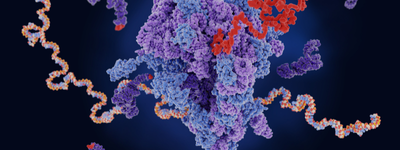
In the realm of advanced pharmaceutical manufacturing and complex organic synthesis, precision reagents are critical for success. Palica Chem supplies N-Butylphosphonic Anhydride (T4P), a leading condensation reagent for highly efficient and pure peptide coupling. Offered as a stable solution in DMF or Ethyl Acetate, T4P is the ideal choice for creating sensitive molecules under mild conditions, ensuring minimal racemization and high yield in your synthesis projects.
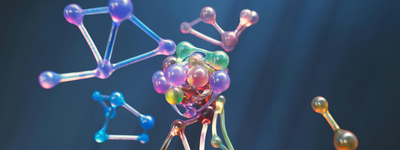
We provide high-purity, customized N‑heterocyclic building blocks that drive innovation in pharmaceuticals, agrochemicals, and advanced materials. Our portfolio supports critical R&D and scalable synthesis with a focus on structural diversity, process reliability, and strict regulatory compliance.
Established in 2014, we’re a leading chemical supplier serving clients worldwide. With extensive knowledge and years of experience in sourcing and export execution, committed to technical sourcing — evaluating producers on process route, not only on quotation — and continually re-qualifying the plants we work with to provide high-quality and cost-competitive chemicals for several industries, and proud to seamlessly integrate ourselves into our customers’ supply chains, providing exceptional support and service.
For more than a decade, Palica Chem has supported us with reliable chemical sourcing, clear technical communication, and consistent lot-to-lot quality. Their team understands specifications, documentation, and export handling, making them a dependable partner for our chemical supply operations.
— Canada · Customer since 2014
Share the product name, CAS number, target specification, and destination. Our team will review supply options, documentation, and export handling with you.

